
THEMATIC SUB-HUB & COMPREHENSIVE GUIDE
AI, Psychology and Human Behavior (Mind and Machine)
How artificial intelligence models are transforming mental well-being, social dynamics, empathy and the way we understand our own minds.
The relationship between humans and artificial intelligence has gone beyond the mere automation of practical tasks. Currently, conversational algorithms function as emotional confidants, simulators of assertive dialogue and mirrors of our own behaviors. This thematic sub-hub brings together key research and articles to understand the opportunities, ethical dilemmas and psychological effects of the digital age.
🧠
Mental Health and Therapy
The analysis of continuous conversational support, the risk of substitution of professional judgment and the impact on everyday happiness.
🤝
Relationships and Social Behavior
Assertiveness training, managing difficult conversations, dating, and reducing social anxiety.
🪞
Self-knowledge and Criticism
What algorithms reveal about human biases and the value of using AI to challenge our beliefs.
1. Mental Health, Emotions and Psychological Therapy
We investigate the limits and realities of algorithmic accompaniment in the face of the emotional challenges of contemporary society.
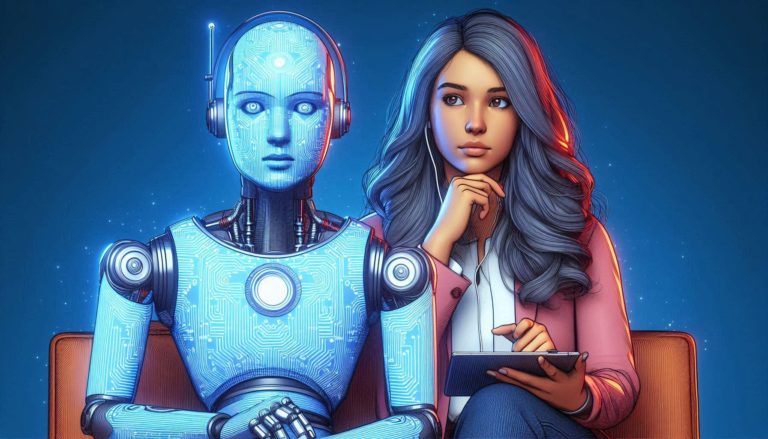 Terapia Asistida
Is Artificial Intelligence a good substitute for psychological therapy?
We analyze the potential of conversational agents in mental health: advantages of continuous availability against the limitations of empathy and human understanding.
 Bienestar Emocional
Are we unhappier because of Artificial Intelligence?
The paradox of digital connection: Why turning to chatbots for emotional comfort can intensify social isolation and personal dissatisfaction.
2. Social Skills, Interpersonal Relationships and Dating
From mediating tense situations to finding a partner, discover how AI serves as a training ground for human communication.
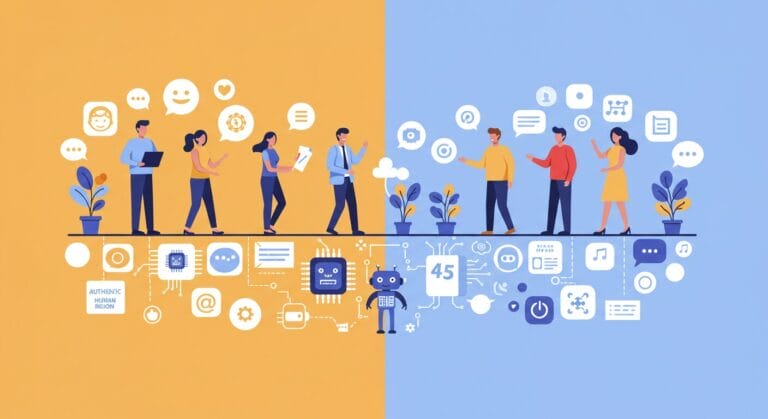 Entrenamiento Social
Social skills and AI: Learning to be more sociable thanks to this technology
How to use artificial intelligence as a safe dialogue simulator to overcome shyness, gain assertiveness and improve empathy in real life.
 Conflict Management
Why can Artificial Intelligence be an ally in dealing with conflictive people?
Practical strategies to de-escalate work and personal tensions: writing neutral responses and objective analysis of complex messages.

Artificial intelligence in the dating world: How this technology can be your ally when dating someone
The impact of algorithms in the search for love: profile optimization, overcoming communication blocks and the border between technical support and authenticity.
Explore love and AI →3. The Digital Mirror: Perception and Critical Thinking
When the machine stops pleasing you and becomes an instrument of self-knowledge and analytical contrast without filters.
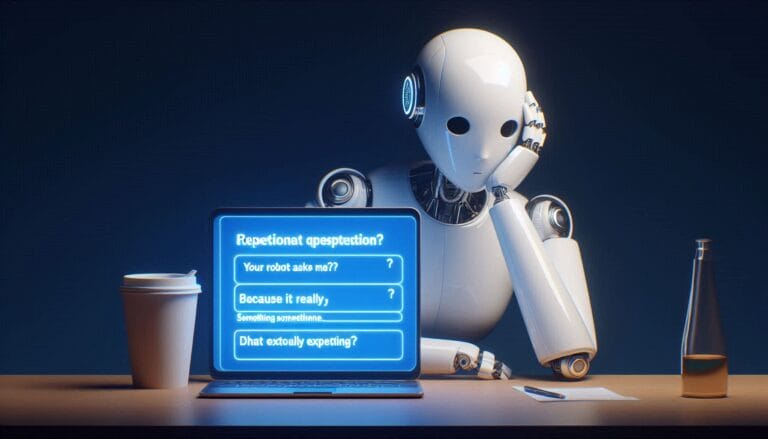 Algorithmic Perception
This is what Artificial Intelligence thinks about you (And it’s not very encouraging)
What conclusions do large linguistic models draw after processing the behavioral patterns, doubts and inconsistencies of millions of users.
 Critical Thinking
This is why you should let the AI be more critical of you.
The Trap of Algorithmic Flattery: Why Asking Your Assistant to Act as a Devil’s Advocate Expands Your Judgment and Sharpens Your Decisions.
Comparison: Traditional Human Interaction vs. Interaction with AI
| Psychological Dimension | Direct Human Approach | AI Mediated Assistance |
|---|---|---|
| Crisis Support and Relief | It requires availability from third parties and can generate fear of social judgment. | Immediate 24-hour availability in an environment free of perceived bias. |
| Therapeutic Depth | Real empathic connection, body interpretation and deep life context. | Answers based on statistical patterns without awareness or genuine empathy. |
| Skills Development | Exposure to real situations with emotional risk of rejection. | Simulated and safe environment to rehearse assertive responses and negotiations. |
| Conflict Resolution | Visceral emotions often make it difficult to be objective during the discussion. | It allows you to analyze texts coldly and modulate your tone before responding. |
| Feedback and Biases | Friends and colleagues may avoid direct confrontation so as not to hurt. | It can be configured to challenge arguments without social pandering. |
Key Questions about Mind and Machine
Can a language model replace a registered psychologist?
No. Although the models may offer structured self-reflection exercises and interim language support, they lack clinical judgment, ethical expertise, and the ability to intervene in mental health emergencies.
How to avoid virtual assistant complacency?
Chatbots tend by design to validate the interlocutor. Explicitly instructing the system to act as a critical counterpart, pointing out logical weaknesses and blind spots, transforms a passive conversation into valuable mental training.
Does AI promote social isolation?
It depends on its application: when it replaces human coexistence it can generate solitary emotional dependence; When used as a simulator to train communication and assertiveness skills, it enhances face-to-face interactions.
Interested in Communication and Technology with a Human Focus?
At ComunicaGenia we analyze and develop artificial intelligence strategies aimed at enhancing talent, empathy and authentic communication between people and organizations.
This post is also available in: