
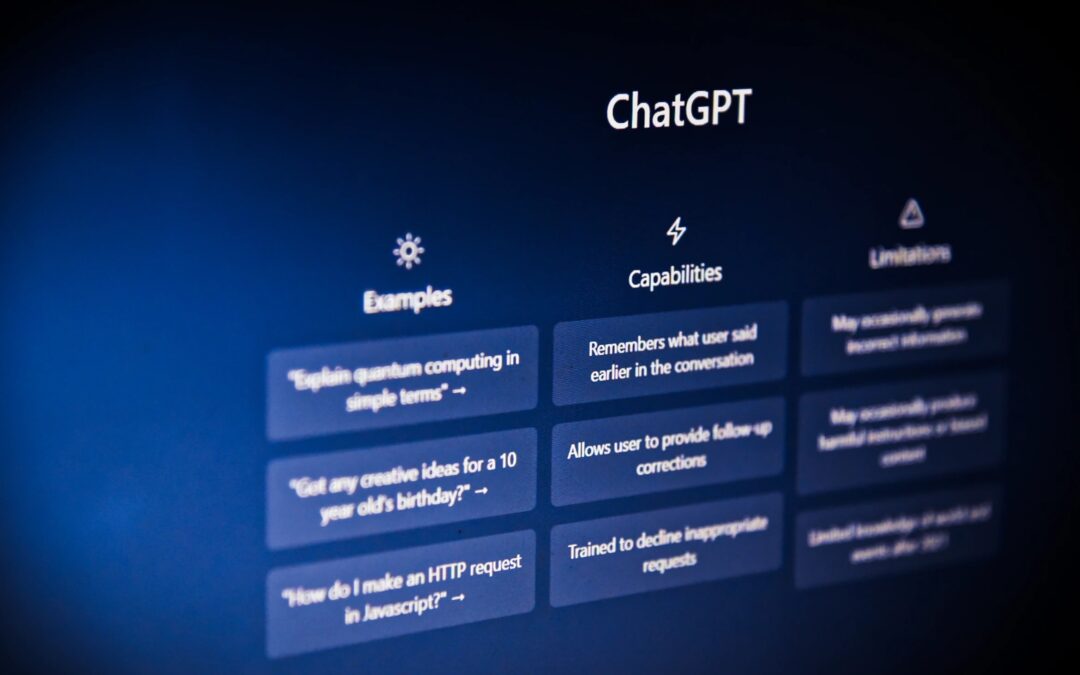
In artificial intelligence, there are pillar elements in the development and operation of advanced applications. One of these concepts is the “prompt”, which is a kind of portal that takes you to a world of computing possibilities.
But the scope and relevance of prompts goes beyond just displaying information on a screen. In artificial intelligence, prompts play a fundamental role in the training and operation of machine learning models.
For this reason, we explain in a general way what a prompt is and how it works in the context of computing and artificial intelligence.
Definition of Prompt
A prompt is a small section of text that appears on the screen when the user opens a terminal or computer console. Its function is to indicate to the user that the terminal is ready to receive input, such as a command or a request for information.
In the context of artificial intelligence (AI), a prompt is an instruction or input that you enter to request a response from the AI. Essentially, the prompt tells the system what type of output to expect or what task to perform.
When you use a generative AI system, such as a GPT (Generative Pre-trained Transformer) language model, the prompt serves as a guide for the system to generate a coherent and relevant response.
This response can be in the form of text, images, music, or other types of content, depending on the domain of the AI and the type of task it is designed to perform.
For example, if you use a GPT language model to generate an abstract for an article, you could provide a prompt that describes the topic of the article and the desired length of the abstract.
Elements that a Prompt must have to be effective
A good prompt in the context of artificial intelligence must have several key elements to guarantee its effectiveness:
- Clarity and precision: The prompt must be clear and precise in its formulation to avoid ambiguities and ensure that the artificial intelligence system correctly understands the user’s request.
- Relevant context: A prompt must provide enough context for the AI to understand the user’s task or question, to generate an appropriate response. It may include information about the topic, context of the conversation, or other relevant information.
- Specific instructions: It must include exact instructions on what is expected from an artificial intelligence. This may include details of the desired response, required format or any other information to fulfill your request.
- Adequate length: The prompt must have an adequate length to transmit the necessary information in a clear and concise manner. Too short and it can be too vague, while too long can be overwhelming for the AI and make it difficult to understand.
- Coherent structure: This must be coherent and orderly to facilitate its understanding by artificial intelligence. This may include using paragraphs, bullets, or other formatting to help organize information.
How to create a good Prompt for AI
Here are some steps to create a good AI prompt:
Identify the target
Before creating the prompt, you must know what the objective of your request is. What kind of response do you expect from the artificial intelligence system? Clearly define the purpose and desired outcome of your interaction with the model.
Specify the task
Clearly describe the task or question you want the AI to perform or answer. Make sure you are as specific as possible to avoid ambiguity and ensure that the model fully understands what you are asking of it.
Provide relevant context
Include any additional information or relevant context that helps the system better understand the request and can generate an accurate response. Try to include details about the topic, context of the conversation or other information that influences the system’s response.
Use clear and concise language
Use clear and concise language when writing the prompt to avoid confusion and ensure that the system correctly understands the request. Avoid using jargon or unnecessary technical terminology that may make the system difficult to understand.
Structure the prompt in an organized way
Organize the prompt in a structured and organized manner to facilitate its understanding by the AI system. You can use paragraphs, bullet points, or any other format that helps organize information clearly and effectively.
Check and adjust
Before sending the prompt to the AI model, review it carefully to ensure it is clear, precise, and effective. Make adjustments if necessary to improve the clarity and accuracy of the request.
Test and adjust as necessary
Once you have created the prompt, test it with the AI system and observe the response obtained. If the answer is not what you want, adjust the prompt as necessary and try again until you get the desired result.
Importance of prompts in AI
Prompts are essential in artificial intelligence (AI) as they direct the interaction between users and systems, provide relevant context, limit ambiguity in user requests, and facilitate the evaluation of system performance.
This guidance in conversations ensures that the system adequately understands user requests and generates relevant and accurate responses. By providing details about your needs and preferences, prompts contribute to a more satisfying experience.
Additionally, by providing clear and relevant information to train machine learning models, prompts help improve the accuracy and effectiveness of the system’s responses.
Its careful design and proper implementation are crucial to ensure smooth and effective interaction between humans and AI systems, resulting in improved user experiences and optimal system performance.
This post is also available in: