
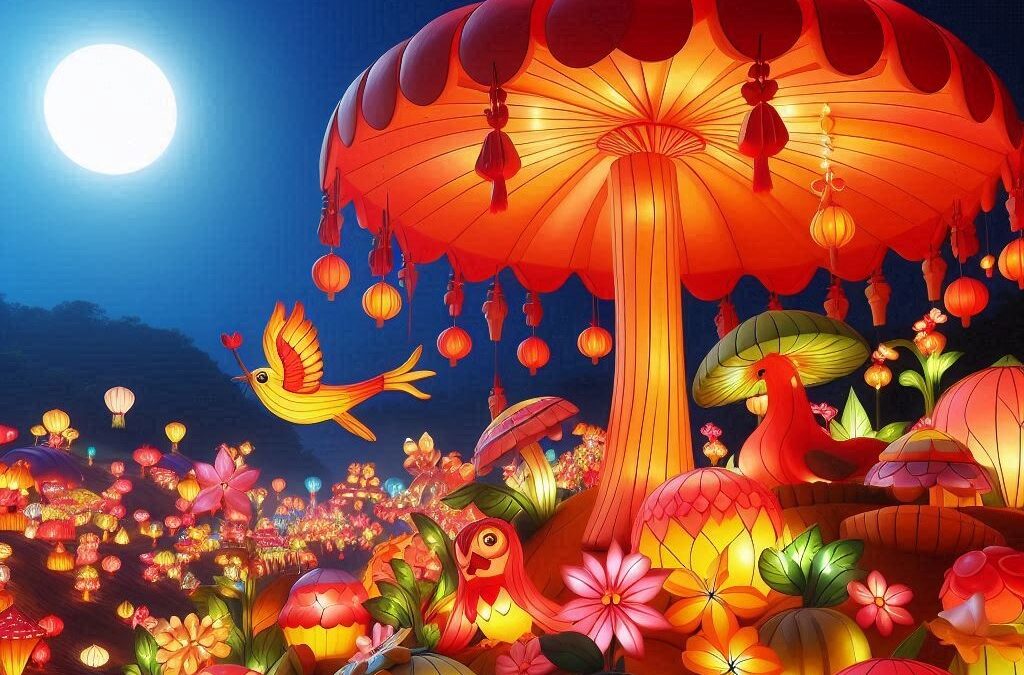
In terms of image generation artificial intelligence, Stable Diffusion emerges as a powerful tool with which you can create surprising and unique images. However, behind each generated image there is a custom prompt.
Prompts are the key to guiding Stable Diffusion models towards creating specific images. From realistic portraits to fantastical landscapes, prompts are detailed instructions that inform the model about what we want to see in the final image.
In this article, we will explore the best prompts for Stable Diffusion. Learn how these simple but powerful commands transform our ideas into stunning computer-generated works of art.
Why are prompts important in Stable Diffusion?
Prompts are essential in Stable Diffusion because they allow you to direct, personalize and control the creative process. They act as instructions for the model, guiding it toward generating specific images.
Without a clear and detailed prompt, the model could produce undesirable results. Additionally, prompts give you the opportunity to explore a wide range of creative ideas and concepts.
You can experiment with different combinations of keywords and techniques to discover new and exciting possibilities in image generation.
By using well-designed prompts, you can influence the quality and relevance of the generated images. Consciously constructing prompts also helps mitigate unwanted biases and stereotypes in the generated images.
Types of prompts in Stable Diffusion
In Stable Diffusion, prompts can vary widely depending on their complexity, detail, and focus:
Specific subjects
They focus on describing the main subject or theme that you want to see in the generated image. They can include details such as the identity of the characters, geographical location or temporal context.
These prompts are useful for directing the model’s attention to a particular object or scene, giving a clear basis for generating the image. These are some examples:
- “An enchanted forest with ancient trees and spectral moss.”
- “A black cat crossing a street illuminated by streetlights on a full moon night.”
- “An astronaut floating in front of the Earth from the window of a spaceship.”
Additional details
These prompts add layers of detail and specificity to the main subject. They can include physical characteristics, clothing, accessories or other elements that enrich the visual representation.
By offering more information about your subject, these prompts help you create images with greater detail. See the examples below:
- “A portrait of a bearded man with aviator glasses and a tattoo of an eagle on his right arm.”
- “A worn wooden table with a steaming cup of coffee and an open book on the art of origami.”
- “A futuristic city with shiny skyscrapers and flying cars cruising the streets.”
Artistic styles
They focus on the visual style that you want to achieve in the image. They may include terms that describe the painting style, such as “realistic,” “abstract,” “surreal,” or “impressionist.”
By specifying the style, these prompts guide the model toward creating images that align with the desired visual aesthetic. These are some examples:
- “An oil painting of a mountain landscape at sunset in an impressionist style.”
- “A pencil drawing of a portrait of a young woman in a realistic style.”
- “A digital illustration of an alien landscape in a futuristic style.”
Lighting and color techniques
These prompts specify how the scene should be lit and what color palette should be used. They can include details about light direction and intensity, as well as color hues and saturation.
These prompts are important in establishing the mood and atmosphere of the image, influencing the viewer’s emotional and visual perception. Look at these examples:
- “A portrait of a woman under soft, warm light with golden tones.”
- “An urban night scene with bright neon and blue and purple tones.”
- “A seascape at dawn with soft, diffuse light and pastel colors.”
Weighted Keywords
Some prompts use weighted keywords to influence the generation of certain elements in the image. These keywords can have a specific weight that affects the likelihood of certain elements appearing in the final image.
For example, words like “prominent” or “important” can tell the model to pay special attention to certain aspects of the subject or scene. Know a couple of examples:
- «A portrait with a special emphasis on bright and expressive eyes».
- “A landscape with particular attention to the details of the flowers in the foreground.”
- “An illustration with a prominent focus on the clean, defined lines of modern architecture.”
Negative prompts
They specify what you do not want to see in the generated image. They may include elements, features or styles that you want to avoid. These prompts are useful for removing unwanted objects or avoiding unwanted associations in the final image.
Discover some examples of negative prompts:
- “No people visible in the image, just nature and landscape.”
- “Avoid the presence of modern technological objects in the scene.”
- “No supernatural elements or fantastic creatures, just a realistic representation of everyday life.”
Regional prompts
They are prompts that focus on specific areas of the image, such as composition, object placement, or light distribution. They may include detailed instructions on the spatial arrangement of elements, the direction of light or visual perspective.
These prompts allow you to control the composition and visual balance of the image, in addition to creating specific visual effects. Here are some examples below:
- “The main subject should be in the center of the image, with negative space around it.”
- “Sunlight should come from the upper right corner, creating soft shadows on the subject.”
- “The composition must follow the rule of thirds, with the point of interest located at one of the intersection points.”
Mastering the art of prompts in Stable Diffusion is possible
Prompts are the essence of creativity in Stable Diffusion. They are the instructions that guide the model towards the creation of unique images.
From defining your subject to choosing art style and lighting, each prompt is an opportunity to explore new ideas and express your creative vision.
By mastering the art of creating effective prompts, you unlock the full potential of this powerful imaging tool. So don’t underestimate the power of a good prompt: it can be the key to unleashing your creativity.
This post is also available in: