
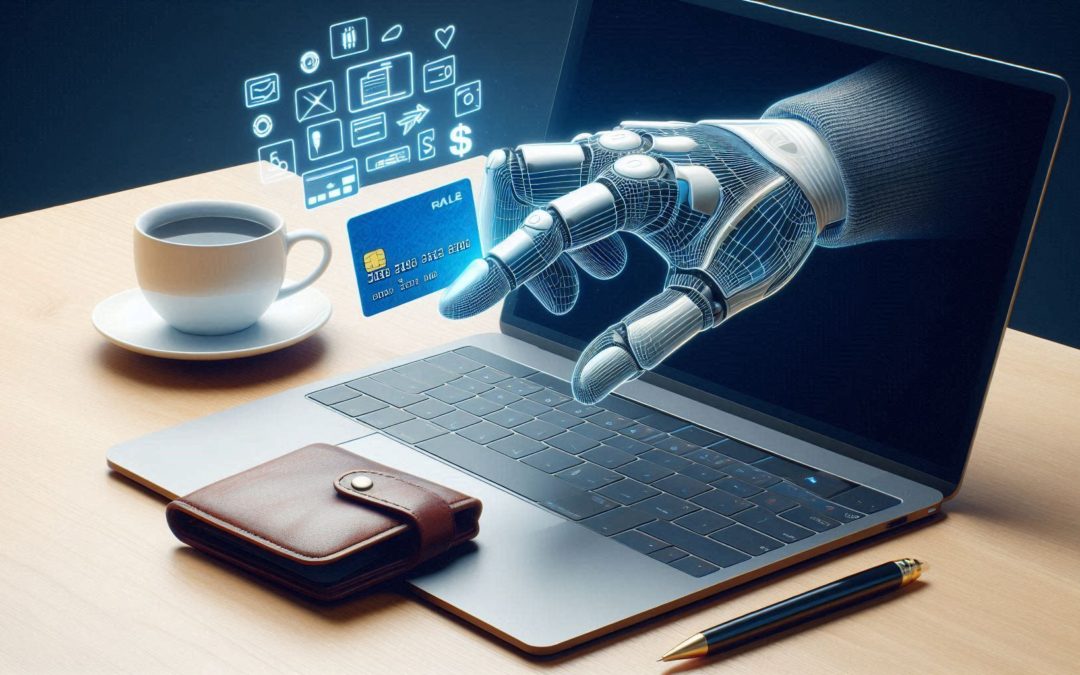
Cyber scams have evolved at a rapid pace in recent years, and much of this change is due to the introduction of artificial intelligence (AI).
As the digital world expands and we increasingly rely on technology in our daily lives, cybercriminals have found new ways to exploit this trend.
AI allows criminals to automate the creation of malicious content, such as fraudulent emails and fake websites, with unprecedented accuracy and speed.
Faced with these types of challenges, it is crucial to understand how AI is transforming cyber scams and how we can better protect ourselves.
How has AI changed the cyber scam landscape?
AI-powered cyber scams allow criminals to carry out attacks that are faster, more personalized, and harder to detect. One of the most notable changes is the ability for AI to generate malicious content at scale.
It is now possible to create highly personalized phishing emails in minutes, using algorithms that analyze personal information available online to make messages appear legitimate.
AI facilitates the creation of fake websites and deepfake videos, deceiving victims with images and voices that seem real. Another aspect is the use of AI to encode malware, making it difficult to detect by traditional security tools.
It has even been implemented in the “Phishing as a Service” (PhaaS) model, allowing people without cybersecurity experience to launch effective attacks.
Adaptation of cyber scams to current events
The ability of cybercriminals to quickly adapt their scams to current events has been one of the key factors behind the increase in the effectiveness of attacks.
Previously, event-based phishing required time and preparation, limiting how quickly scammers could take advantage of unforeseen incidents. However, the arrival of AI has drastically changed this scenario.
Today, attackers can use AI to automatically generate fraudulent emails, text messages, or websites in response to anything from natural disasters to failed technical updates.
Thanks to AI, these attacks can be personalized based on the geographic location or interests of the victims, which increases the chances of success. The speed and precision of these campaigns have made cyber scams more dangerous than ever.
Current events related to cyber scams
Here are some events where AI cyber scams have occurred and may happen again:
CrowdStrike Failure (July 2023)
This incident is an example of how cybercriminals take advantage of unforeseen events. When a faulty update caused the “blue screen of death” (BSOD) on Windows computers, attackers exploited the chaos.
Within hours, multiple fake domains emerged offering fraudulent solutions to the problem, in some cases asking for donations through PayPal or distributing malware.
Paris 2024 Olympic Games
The Paris 2024 Olympic Games have also been the target of phishing attacks. Cybercriminals sent fake emails claiming that recipients won tickets to the event, requesting a small fee to receive them.
In another case, they created fake websites offering tickets for sale. Despite being relatively new sites, their SEO optimization allowed them to appear near the top results on Google, increasing the likelihood that users looking for legitimate entries would fall into the trap.
Black Friday and Christmas season
During recurring events like Black Friday and the holiday season, cyber scams also increase significantly. Scammers are taking advantage of the increase in online purchases and the volume of promotional emails to launch frauds related to gift cards and products that are not delivered.
The combination of high commercial activity and saturation of offers creates a prone environment for scams related to these dates to be successful.
Which population is most prone to cyber scams with AI?
Among the most affected groups are:
Older people
Older individuals are very vulnerable due to their lack of familiarity with new technologies and cybersecurity tactics. AI can create scams that are difficult to spot for those who don’t know the warning signs.
Social network users
People active on social media often share personal information that can be used by cybercriminals to design personalized phishing attacks. AI can analyze this data to create more credible hoaxes.
Small businesses
Small businesses, often with limited resources, are attractive targets for phishing attacks and other AI-based scams. Cybercriminals can use AI to carry out attacks that exploit specific vulnerabilities.
Messaging application users
Messaging platforms, such as WhatsApp and Telegram, are increasingly used for cyber scams. AI makes it easy to create fraudulent messages that imitate legitimate communications and deceive users.
Challenges for cybersecurity
AI’s ability to automate and refine phishing attacks and other digital fraud has surpassed traditional protection measures.
Cybercriminals use AI to generate highly personalized and difficult-to-detect attacks, making conventional security tools often obsolete in the face of these emerging threats.
Likewise, the speed and precision with which attacks are deployed, thanks to the automation of processes, require constant updating and improvement of cyber defenses.
To address these challenges, it is essential that cybersecurity strategies continually evolve, also incorporating advanced technologies such as AI to detect and neutralize threats before they cause damage.
Can something be done to combat cyber scams with AI?
Tackling AI-powered cyber scams requires a combination of preventive measures, education, and advanced technology.
First, it is crucial that individuals and businesses alike take a proactive stance, staying informed about emerging fraud tactics and reinforcing digital security practices.
In addition, collaboration between governments, institutions and technology companies will be key to establishing regulatory frameworks that regulate the malicious use of AI. This, together with mass awareness campaigns, can mitigate the risks.
While AI cyber scams won’t disappear anytime soon, taking a multifaceted approach and constant vigilance will reduce their impact and better protect both users and organizations from these threats.
This post is also available in: