
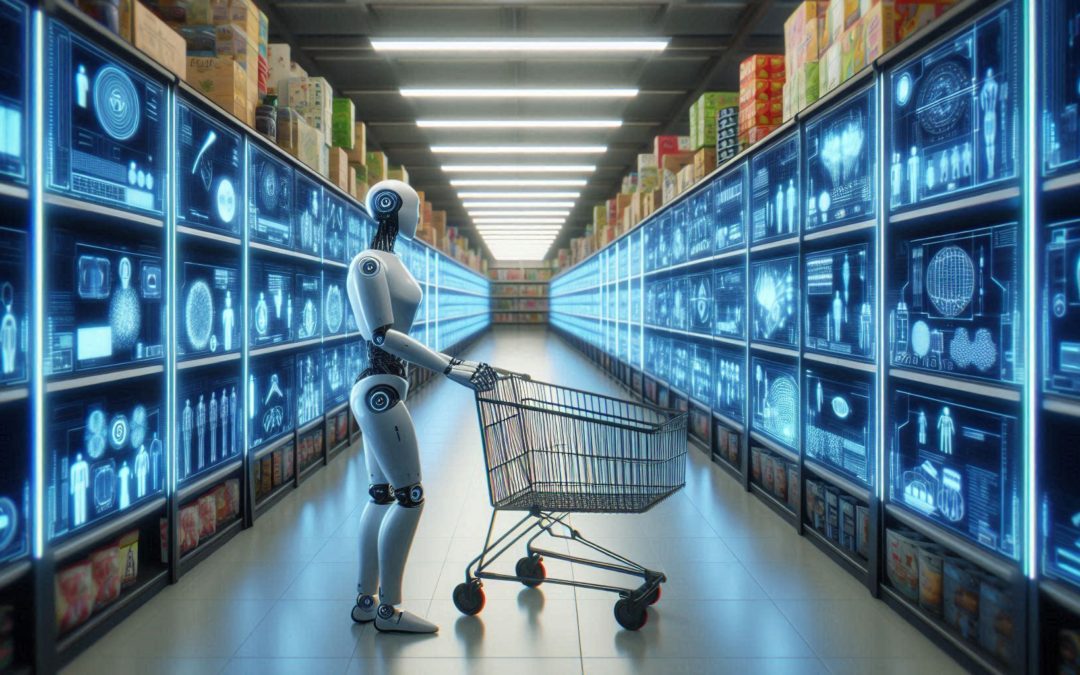
On January 10, 2024, the OpenAI technology platform launched the GPT Store, an innovative platform designed to capitalize on the success of ChatGPT and offer users the ability to discover and create custom GPTs.
This release marked a significant milestone in the evolution of generative artificial intelligence, providing a market where GPT-based applications could flourish.
However, the path of the GPT Store in its first six months has been a mix of promises and challenges, with opinions divided among users about its usefulness and effectiveness. Let’s explore what has become of the “store” that OpenAI created for its flagship product ChatGPT.
Expectations at launch
The initial announcement of the GPT Store promised a platform rich in custom applications, created by both OpenAI partners and the community at large.
Users of ChatGPT’s paid plans were the first to have access, and it was hoped that this store would become an invaluable resource for specific tasks, from teaching math to designing social media posts.
OpenAI’s ambition was clear: to build on the success of ChatGPT and offer users a structured and accessible way to use GPT technology for a variety of practical applications.
The same announcement also discussed the launch of ChatGPT Team, a version of the chatbot for companies. This product offers a way for companies to allow their employees to use ChatGPT, but maintain the privacy of corporate data.
Early GPT Store Reviews and Challenges
Despite high expectations, the first criticisms of the GPT Store did not take long to appear. Users were initially unable to rate available GPTs, a feature that was only added in mid-February 2024.
A few weeks later, in a March Forbes article, Gene Marks noted that the GPT Store interface was not intuitive and that many available applications did not meet the expectations of business users.
Marks described his experience as frustrating, citing issues with app quality and the constant need to redirect to external sites to get full functionality.
These criticisms highlighted a disconnect between OpenAI’s initial promises and the reality of the user experience.
Many apps, while potentially useful, required a significant level of post-production or additional purchasing to be truly effective, which diminished their initial appeal.
Low adoption and new strategies
As the months progressed, it became clear that adoption of the GPT Store was not as widespread as expected. According to a June 2024 survey, only 23% of Americans had used ChatGPT, and this number varied significantly by age.
This low adoption underscored OpenAI’s need to make its platform more accessible and attractive to use.
In response, OpenAI made a strategic decision in May 2024: to open the GPT Store to all ChatGPT users, including those with free accounts.
This change, announced by CTO Mira Murati during the company’s spring update, significantly expanded the potential reach of the store, allowing a greater number of users to experiment with custom GPTs without the barrier of cost.
In addition to opening the GPT Store, OpenAI also introduced other features previously exclusive to subscribers, such as the ability to upload files and photos for analysis, and the use of GPT-4 with memory from previous chats.
These updates sought to improve the user experience and make the technology more accessible to everyone.
Problems with quality and moderation
Although opening the GPT Store to all users was a positive step, the quality and usability of many GPTs still leaves much to be desired. The lack of performance and customization, in addition to the low quality of many bots, are among the main criticisms from users.
Customization Limitations
Even though the GPT Store offers a wide range of custom GPTs, many users have found that these bots do not fully meet their expectations.
Even big names like Adobe and Canva were failing to incorporate specific brand colors without manual adjustments, detracting from the promise of complete automation.
Accuracy issues
Another problem noted was the inconsistent precision of the responses generated by some GPTs. Despite efforts to improve the underlying technology, users have reported that results often contain errors or “hallucinations” that require a considerable amount of manual editing to be useful.
Performance of most popular GPTs
Even GPTs from the largest developers do not always deliver the expected performance. For example, GPTs intended to generate summaries of YouTube videos often adopt an undesirable promotional tone, despite specific instructions from users to avoid this.
These criticisms underscore the need for continued improvements in the quality and usability of the GPT Store.
OpenAI will need to address these challenges to ensure the platform meets the expectations of its users and maximizes the potential of generative AI in practical, everyday applications.
This post is also available in: