
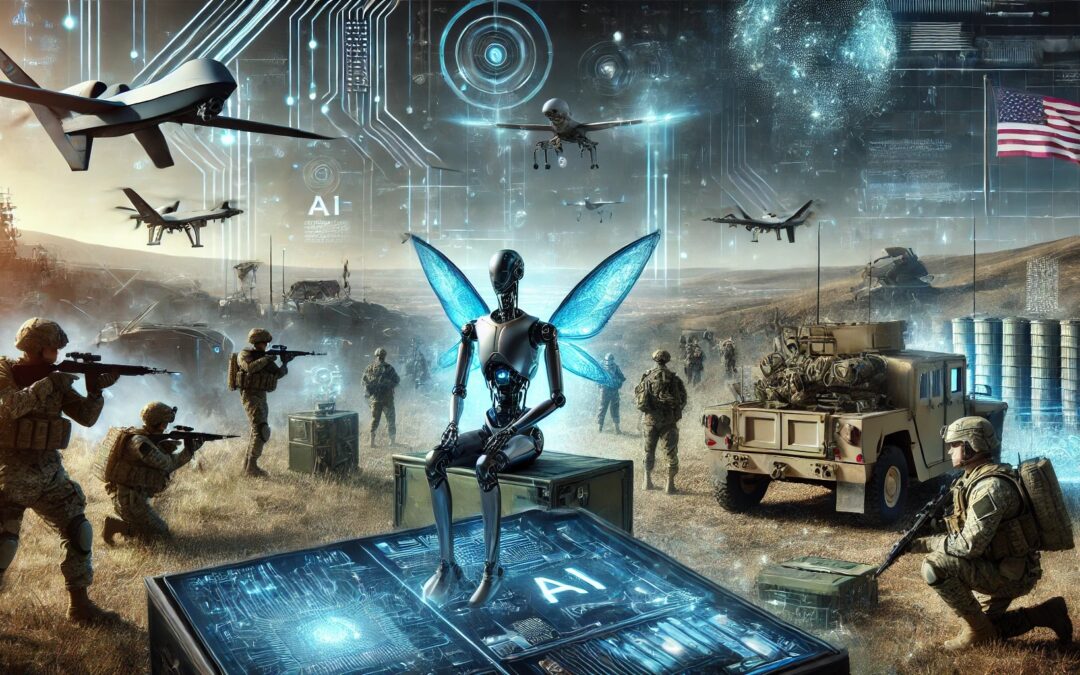
AI-based systems have demonstrated their ability to perform complex tasks that traditionally require human intelligence, such as making quick decisions and analyzing large volumes of data.
For example, in the military field, they are used to identify patterns in satellite images that indicate enemy activities, calculate optimal routes for drones on reconnaissance missions, and predict movements based on historical and real-time data.
However, its implementation in the military sector poses ethical, technical and security challenges that should not be ignored.
So, if you are curious about the applications of this technology in the military field, learn about the benefits, challenges and future of AI in defense, analyzing its impact on national security and the measures necessary to guarantee its responsible use.
Applications of AI in the military field
AI is redefining defense strategies around the world, offering advanced solutions in conflict and national security situations. Some of its main applications are highlighted below:
Recognition and surveillance
In protection and combat situations, AI optimizes decision-making by processing key information in real time.
Computer systems can identify targets, predict enemy activities, and track movements, providing a significant strategic advantage. This not only improves the precision of operations, but also minimizes risks to troops.
Autonomous systems
AI has revolutionized the development of autonomous systems, such as drones and unmanned vehicles, that operate in hostile environments without endangering military personnel.
These devices collect information, execute reconnaissance missions and perform logistical tasks, increasing efficiency and reducing human risk.
Cybersecurity and cyberwarfare
AI plays a crucial role in protecting against cyberattacks by proactively identifying threats, detecting unusual patterns in network traffic and suspicious behavior that traditional systems might miss.
This includes, for example, the detection of unauthorized access attempts through real-time analysis of millions of events simultaneously, allowing vulnerabilities to be predicted and responded in a timely manner before damage occurs.
Strategic planning
AI facilitates the automation and optimization of military strategies, improving analysis capacity and decision-making. As these systems are perfected, the world’s militaries adopt advanced technologies, making armed forces more effective.
Military training
AI-based simulators offer personalized training,allowing soldiers to practice strategies in realistic scenarios without risk.
These systems can adapt to the user’s performance, providing a unique and effective experience. However, it is essential that these programs complement, and not replace, human instructors.
Benefits of AI in defense
AI offers a number of significant advantages for military operations, including:
- Fast and accurate decision making thanks to real-time analysis.
- Risk reduction through the use of autonomous systems in hazardous environments.
- Improvements in cybersecurity, identifying and mitigating threats before they cause damage.
- Efficiency in constant monitoring of possible threats and objectives.
- Advances in simulation and training, better preparing personnel for complex scenarios.
Challenges and associated risks
The use of AI in the military field also entails important challenges:
- Ethics and responsibility: The autonomy of these systems raises questions about who is responsible in case of errors or serious incidents.
- Technological vulnerabilities: AI systems can be subject to cyber attacks, which could compromise national security.
- Proliferation of autonomous weapons: The development and use of AI-based offensive systems raises concerns about escalating conflicts.
Military AI regulations and governance
To ensure responsible use, it is essential to establish clear legal frameworks and oversight mechanisms. This includes:
- Define limits on the use of autonomous systems in offensive operations.
- Promote international cooperation to avoid an uncontrolled arms race.
- Implement cybersecurity regulations that protect these systems from possible attacks.
Collaboration between political, military and technology leaders is key to addressing these challenges and ensuring that AI is used ethically and effectively.
For example, initiatives such as the United Nations Group of Governmental Experts on Lethal Autonomous Weapons Systems work to establish international standards and prevent the misuse of these technologies.
Future of AI in defense
Going forward, AI will continue to revolutionize the defense sector, with significant investments in:
- Development of cyber weapons and advanced technologies.
- Innovations in unmanned vehicles for complex missions.
- Decision-making support systems that integrate data from various sources.
These tools will improve the speed and accuracy of operations, enabling effective responses to emerging threats. However, the success of these initiatives will depend on the adoption of measures that balance technological advancement with security.
Artificial intelligence represents a paradigmatic change in the military field, offeringinnovative and effective solutions to face the security challenges of the 21st century.
However, its implementation also poses significant risks that require appropriate regulation and responsible management. By balancing its benefits with ethical governance, AI will be able to positively contribute to global security.
This post is also available in: