
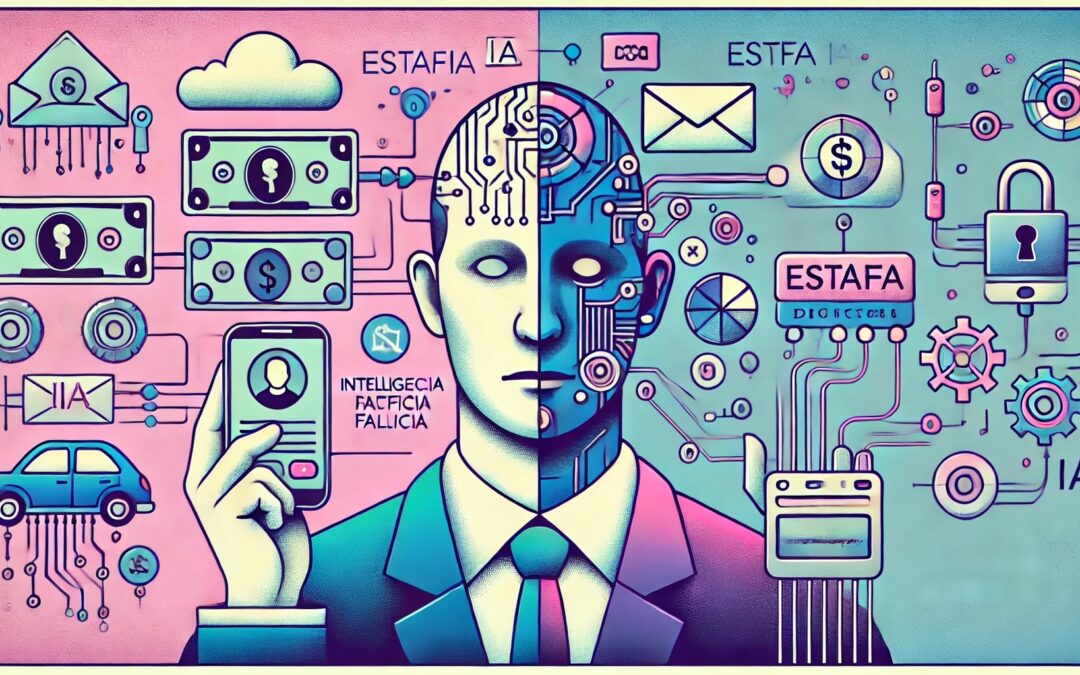
Imagine receiving a call from a family member asking for urgent help and, without hesitation, transferring money to get them out of trouble. Now imagine discovering that it was never your relative, but an artificial intelligence that imitated your voice with chilling precision.
This type of scam, which just a few years ago might have seemed like something out of a science fiction movie, is today an alarming reality.
AI scams are on the rise and are becoming more sophisticated, taking advantage of the most advanced technology and human emotions to deceive their victims. But who are the most likely to fall into these traps?
Discover the most vulnerable groups, the reasons behind their susceptibility and, most importantly, how they can protect themselves. If you think you or someone close to you could be a target, this text is for you.
The rise of AI scams
AI-powered scams are booming, and it’s not hard to understand why. In recent years, AI has advanced considerably, making it possible to create voices, imagesand even videos that are almost indistinguishable from the real thing.
These tools, known as deepfakes, along with automated bots and phishing systems, have armed scammers with more sophisticated and effective methods than ever before.
The impact is worrying: from phone calls that perfectly mimic the voice of a loved one, to personalized emails that fool even the most cautious users.
The victims are not just individuals; Companies have been deceived with fake emails from senior executives. According to experts, the accessibility of these tools and the anonymity offered by the Internet drive this trend on a global level.
People most susceptible to these scams
Although anyone can fall victim to an AI scam, certain groups are more prone due to their profile, level of exposure, or lack of preparedness to deal with these threats.
Older adults
Older adults are one of the most vulnerable groups. Many did not grow up surrounded by technology, which can make it difficult for them to identify online fraud or spot suspicious patterns.
They tend to trust people and, in some cases, face social isolation, making them more likely to respond to emotional scams, such as calls that imitate a family member’s voice asking for help.
Young people and adolescents
Although young people master technology, their overconfidence works against them. And many do not have the necessary experience to identify sophisticated frauds.
Therefore, a good part of young people are frequent targets on social networks, where malicious links, false job offers and fraud related to online purchases circulate.
People with low digital literacy
Those who don’t understand basic terms like “phishing” or “malware” are the most likely to fall for tactics like fake links, deceptive pop-ups, or urgent messages asking for personal information.
Emotionally vulnerable people
People facing situations of stress, economic crisis or social isolation are frequent targets.
Scammers exploit your desperation with offers of fake loans, financial aid or manipulative messages designed to get a quick response.
Common vulnerability factors
AI scams take advantage of trust, fear, and lack of technical knowledge. Regardless of the group to which a person belongs, several factors increase the risk of being a victim of these frauds.
As technology advances, many assume that what they see or hear on digital devices is real. AI’s ability to generate realistic voices, images and videos exploits this trust, making scams appear credible.
Few have the knowledge to identify red flags in suspicious links or calls. Techniques such as phishing or deepfakes are effective against those who do not understand how these threats work.
Additionally, scammers often create situations of urgency or panic to cloud their victims’ judgment. Messages like “your account has been hacked” or “your family member needs immediate help”lead people to act without thinking.
Lastly, lack of access to reliable information about tech scams leaves many people exposed. Without up-to-date knowledge, it is more difficult to identify criminals’ tactics.
What can you do to protect yourself?
Protecting yourself from AI scams requires a combination of education, technological tools, and social support. Here are key strategies to reduce risks:
- Education and awareness: Participating in digital literacy courses, designed for older adults or people with little technological experience, can make a difference. Follow sources that warn about new scammer tactics.
- Identify red flags: Learning to detect common patterns in scams, such as messages that create urgency, requests for confidential information or suspicious links, is essential.
- Use security tools: Take advantage of security settings on apps and devices. Installing antivirus software or enabling two-factor authentication can prevent many attacks.
- Support networks: Talking openly about these risks with family and friends creates an environment of collective alert. Older adults, for example, can rely on family members to verify suspicious calls or emails.
You could be the next victim
AI scams, in addition to being a technological problem, are a challenge that affects us all. No one is completely safe, as scammers update their methods to take advantage of our emotions, trust and lack of preparation.
And beyond protecting ourselves, we must be understanding with those who have fallen into these traps. Instead of judging or blaming the victims, we must support them so that they learn from the experience and do not be deceived again.
Empathy and support are essential to help them overcome the emotional and, in many cases, financial impact that these situations generate. Additionally, building an informed and supportive community can make all the difference.
Therefore, sharing knowledge, being vigilant and offering mutual support not only reduces risks, but also strengthens our collective ability to confront scams in an increasingly digital world.
This post is also available in: