
We’ve been seeing images of QR codes applied to various sites (brochures, posters, magazines, etc.) for years, but do we really know what it is? A QR code is a square two-dimensional barcode in which data can be stored. Any smartphone (through a free app or directly through the camera) can scan the code and take us to content in the cloud.
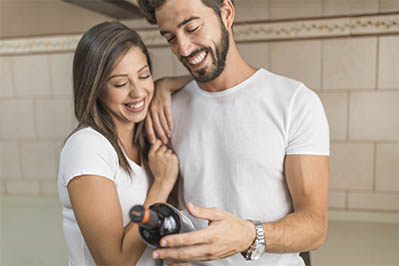
Can you imagine these QR codes applied to wine labels? Wine is a product that is consumed with the container in front of it. It is difficult not to arouse the curiosity of the consumer who finds the possibility of knowing more about wine while drinking it.
Once the user scans the QR code, they can be redirected directly to the winery’s online store where they can buy the same wine they are tasting in just a few clicks and even add other wines from the winery to their shopping cart.
There are several wineries that have already applied QR codes on the labels of their wines, such as Cingles Blaus, Castelo de Medina, Bodegas Urbina, As Laxas, DO Montsant, etc. These wineries make use of the quick response code to expand the information that is usually read on the labels. They give access to tasting sheets with details about the wine, or in other cases they allow you to consult the history of the production through photos and videos. What if this code led directly to the product’s sales page? Now we will see why a winery should take advantage of this technology.
Why apply the QR code for online sales?
Drinking wine is fashionable, drinking wine at home even more so. Some data from the sector published by the ecommerce news portal tell us. According to these data, wine consumption in Spanish households grew by more than 5% during 2016, reaching 379 million litres worth more than 1,000 million euros. This trend is joined by the increase in online purchases to consume at home.
An analysis by Bodeboca, the online wine sales platform, shows that in 2016 there was a 21% increase in the annual shopping basket. The study also compiles the characteristics and habits of the online shopper among the more than 500,000 registered members of the store. The results say that the average annual basket is 290 euros and that the online wine buyer buys an average of 20 bottles a year. Other curiosities:
– 86% of buyers are men;
– 43% are between 30 and 45 years old;
– 58% search for wine from a mobile device.
This last data turns out to be very important since wine queries from mobile phones that end in purchase represent 24% of total purchases. The invitation to purchase through the QR code on the wine label finds a good scope of application since there is a tendency among wine buyers to make the purchase using their mobile phone.
The advantages of applying QR codes to wine labels:
– Increase online sales of the winery’s own website. Many consumers, even regular ones, do not know that there is the possibility of purchasing the product directly from the winery’s online store.
– Ease and speed. Only through the scanning of the QR code, the consumer will be redirected directly to the purchase option of the product they are taking.
– Arouse curiosity in the consumer. Once they are so easily redirected to the online store, it is easy for the consumer to want to discover and try other products from the winery and, therefore, to include them in their shopping cart.
– Know statistics about usage. Every time a user accesses the URL that is opened through the QR code, the information of the use of this code is stored. This allows you to know the real results of your strategy.
At ComunicaGenia we know many areas of application of QR codes and we have experience in their application to digital marketing. Are you interested in applying QR codes to your business? Write to us and we will advise you without obligation.
Request your free consultation!
More Related Articles

Increases ‘reality’ in video games
Currently, the video game industry provides an endless and wide variety of changing products that satisfy the player, but also demand more from the regular and not-so-regular consumer of these electronic games. People who dedicate themselves to making a living...

Five Spanish-speaking influencers on LinkedIn
Currently, social networks are flooded with “influencers”. People that users see as an example to follow and who have managed to stand out in the digital field, especially on Facebook, Instagram, Twitter and YouTube. The success of these social media influencers is...
Technology and Tourism: A relationship “doomed” to understanding
The technological revolution of the last 20 years and its consequent globalization has made many companies in the tourism sector, whether hotels, restaurants, commerce, travel agencies, focus on the online market of new technological tools to increase the segmentation...
This post is also available in: